
Design Titanium combines the lightness, strength, and corrosion resistance of titanium with design technologies such as polishing, coloring, and laser processing. It can be used in architecture, interiors, art, signage, and furniture as a material that balances the performance and aesthetic appeal of metal.
01What is Design Titanium?
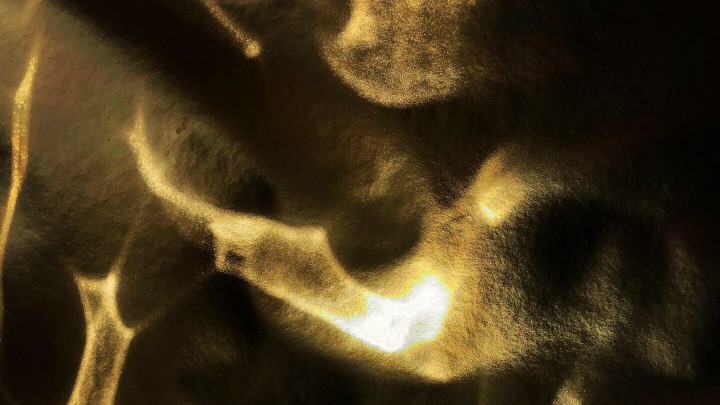
Titanium is not only a functional material, but it is also a material that can create unique metallic expressions through polishing and coloring. The basics of processing titanium are based on its characteristics and examples , and the material properties are based on the mechanical properties of titanium .
02Titanium characteristics
| 特性 | Meaning in design and building materials |
|---|---|
| Lightweight and high strength | It is easy to ensure strength while keeping the weight of the components down. |
| High corrosion resistance | This material is a potential candidate for use in seawater and harsh environments. |
| metal texture | It has a different appearance from stainless steel or aluminum. |
| Color development | Color expression is possible using oxide films. |
The concept of outdoor and long-term durability is also related to the expression of long-term durability functionality using titanium .
03Polishing creates texture.
Titanium's luster and directional finish can be altered through polishing techniques such as buffing, hairline finishing, and vibration polishing. The condition of the base surface also affects the subsequent color development and appearance.

| Grind | Appearance | 用途イメージ |
|---|---|---|
| Buffing/Mirror finish | High gloss | Interior design and aesthetics that aim to create a sense of luxury. |
| Hairline | A linear and understated sheen. | Walls, fixtures, and signs |
| vibration | Non-directional and soft reflection | Furniture, panels, and interior finishes. |
04Designing colors through color development and coloring.
Titanium can be colored using its oxide film, allowing for a wide range of colors including gold, blue, purple, and green. Unlike paint, the color is achieved by utilizing the thickness of the film and the interference of light.
Regarding the appearance of color and how it changes over time, you can check whether titanium discolors , and the durability of IP Gold Titanium can be found in the section on the properties of titanium and the durability of IP Gold Titanium .
05Creating shapes and patterns using laser processing
Laser processing is a technique for creating complex cut shapes, logos, patterns, and more. When combined with polishing and coloring, it enables designs that encompass not only the surface but also contours and transparency.
06Application areas and how to choose

Exterior walls, facades, entrances, door panels, etc.
Monuments, sculptures, brand logos, outdoor signs, etc.
Decorative panels and components that take advantage of weight reduction, etc.
Environmental conditions are checked in areas where corrosion resistance is important, such as hot springs and coastal areas.
Examples of measurements taken in hot spring environments are handled using titanium, which is highly resistant to corrosion from hot springs .
07Points to check during the design phase
- Usage environments: Indoors, outdoors, by the sea, hot springs, etc.
- Desired appearance: gloss, polished finish, color, viewing angle
- Shape: flat sheet, bent, laser cut, panelized
- Post-processing: Color development and assembly process after polishing.
- Sample: Check how it looks with actual light sources and distances.

08FAQ/Summary
What kinds of processing are available for design titanium?
We create designs by combining polishing, coloring, laser cutting, and engraving.
Can titanium be used outdoors?
Although it is a highly corrosion-resistant material, the actual usage environment, including corrosive substances and contact with dissimilar metals, should be checked before selection.
Is the color achieved through painting?
In the case of titanium, coloring is sometimes achieved by utilizing the oxide film. The coloring method varies depending on the product and specifications.
Summary
Design titanium is a decorative metal designed by combining material properties with polishing, coloring, and shaping. It is important to first clarify the intended use and environment, and then check the base, color, shape, and how it looks in light with samples.